Simple Ways to Avoid Setup Problems and Get Better Cooling
The most common mistakes to avoid during ac installation are choosing the wrong unit size, poor placement, bad duct or drain setup, weak airflow planning, and skipping a full system check. These mistakes can lead to higher energy use, uneven cooling, and early wear. If you want your new system to work well in Dawson, MN, it helps to know what can go wrong before the job starts.
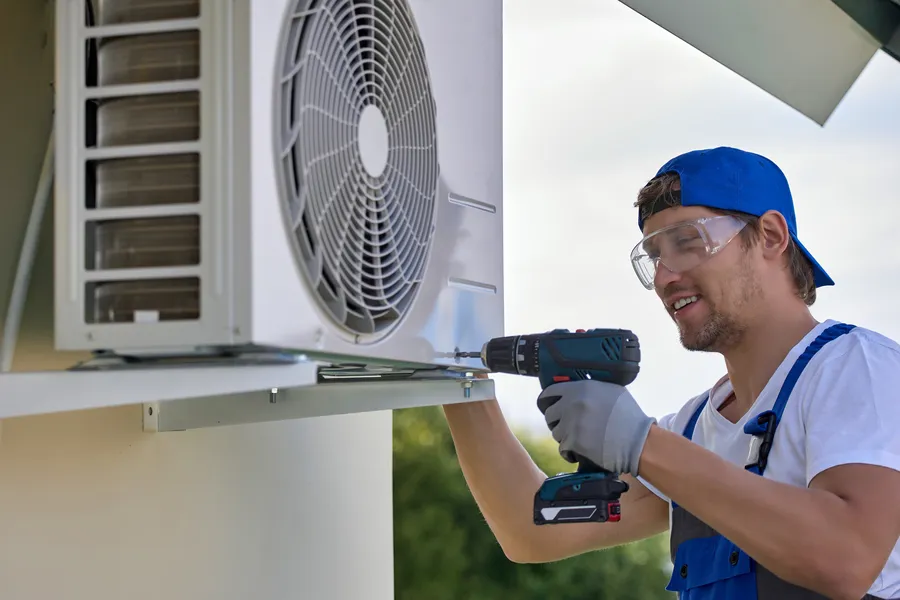
Why Prevention Matters
ac installation is a big job with many small parts. One mistake during setup can affect comfort for years. A system that is too large may cool too fast and shut off early. A system that is too small may run all day and still leave rooms warm. Poor wiring, loose connections, or a bad drain line can also cause trouble soon after startup.
Good planning helps prevent these issues. The goal is not just cold air. The goal is steady comfort, safe operation, and clean airflow through the whole home. That is why careful setup matters from day one.
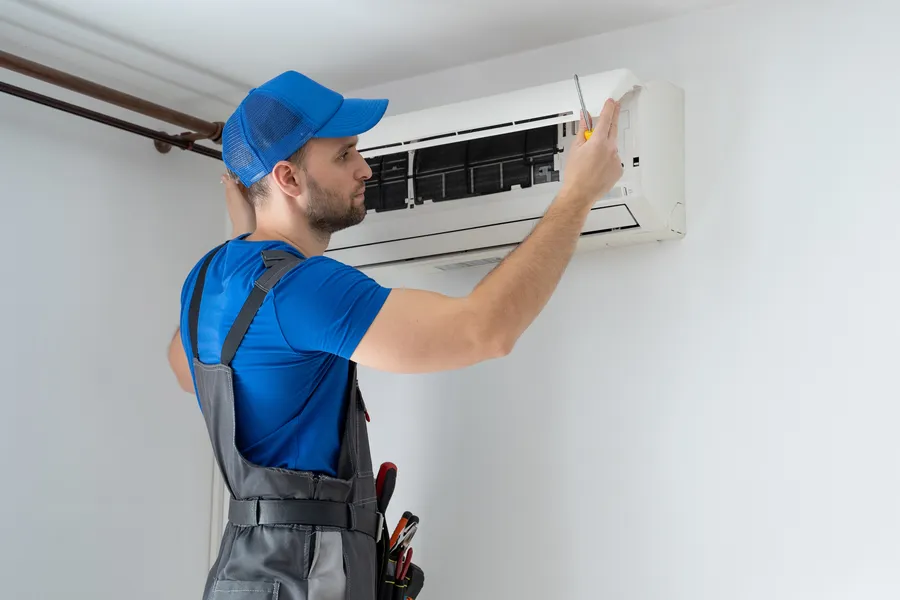
Early Warning Signs
Some installation mistakes show up right away. Others take a little longer. If you know the signs, you can act before bigger problems start.
- Some rooms feel cool, but others stay hot
- The unit turns on and off too often
- Airflow feels weak from vents
- You hear rattling, buzzing, or whistling
- Water pools near the indoor unit
- Your energy bills rise faster than expected
- The home feels damp even when it is cool
These signs do not always mean the equipment is bad. Many times, they point to setup errors during ac installation.
Seasonal or Routine Checklist
A simple checklist can help you avoid common setup errors before the work begins. This is useful for homeowners replacing an old unit or adding cooling to a newer space.
- Check that the unit size matches the home’s cooling needs.
- Make sure the indoor and outdoor units are a matched system.
- Pick a good outdoor location with enough open space.
- Inspect ductwork for leaks, damage, or poor design.
- Confirm the condensate drain line has proper slope.
- Check that electrical service fits the new equipment.
- Ask for airflow testing after the install is done.
- Make sure the thermostat is placed in a good spot.
- Request a full startup test before the crew leaves.
This kind of planning helps any service category keyword project go smoother, even before tools come out.
Best Practices for Long-Term Results
One best practice is correct sizing. Bigger is not better with air conditioning. A unit should match the home’s square footage, insulation, window load, and layout. A load calculation gives a much better answer than guessing based on the old system.
Another smart step is careful placement. The outdoor condenser needs room to breathe. If it is packed against shrubs or walls, it may struggle to release heat. The indoor unit also needs proper clearance for service and airflow.
Ductwork matters too. Even the best equipment can fail to keep a home comfortable if ducts leak or if vents are poorly placed. Sealed ducts, balanced airflow, and clean returns all help a system last longer and cool better.
It also helps to check refrigerant charge the right way. Too much or too little refrigerant can lower efficiency and harm the equipment. This is not something to rush. Small measurements make a big difference.
What Not to Do
Many installation problems happen because people try to save time in the wrong places. Here are some mistakes to avoid during ac installation.
- Do not reuse old parts that no longer match the new system.
- Do not place the thermostat near windows or heat sources.
- Do not ignore old, leaky, or dirty ducts.
- Do not block the outdoor unit with fencing or storage items.
- Do not skip permits or local code checks when needed.
- Do not leave the drain line loose or poorly sloped.
- Do not assume every home needs the same unit size.
- Do not skip testing after the installation is complete.
Another common issue is poor communication about the home’s trouble spots. If a back bedroom always stays warm or the second floor has weak airflow, say that before the install starts. That gives the team a better chance to fix the root problem instead of just swapping equipment.
When to Schedule Professional Help
Some parts of ac installation are not safe for a do-it-yourself approach. Wiring, refrigerant handling, load testing, and code compliance all need trained work. A professional should also step in if your home has old ducts, past moisture issues, or rooms that never cool evenly.
You may also want expert help if you are changing system type, adding zones, or moving equipment to a new location. These jobs need planning, not guesswork. A careful install can help stop repeat repairs and comfort problems later.
If you already had a new unit installed and something feels off, do not wait too long. Small signs like short cycling, loud startup noise, or poor humidity control can point to a setup issue that should be checked early.
Get Help With a Smoother Installation
If you want help with ac installation in Dawson, MN, we can inspect the setup plan and answer your questions before work begins. Contact RAJ Home HVAC LLC to schedule service or talk through your options. Call us at (320) 361-9505, and we will help you avoid common mistakes and get better comfort from your new system.