Warning Problems That Should Not Wait
If your system is making loud noises, blowing weak air, giving off odd smells, leaking, or turning on and off too often, it may need HVAC repair right away. These signs can point to electrical trouble, airflow problems, frozen parts, or failing equipment. Waiting too long can lead to bigger damage, poor comfort, and higher energy use. If you notice one or more of these issues in your home, it is smart to act fast.
Quick Diagnosis Summary
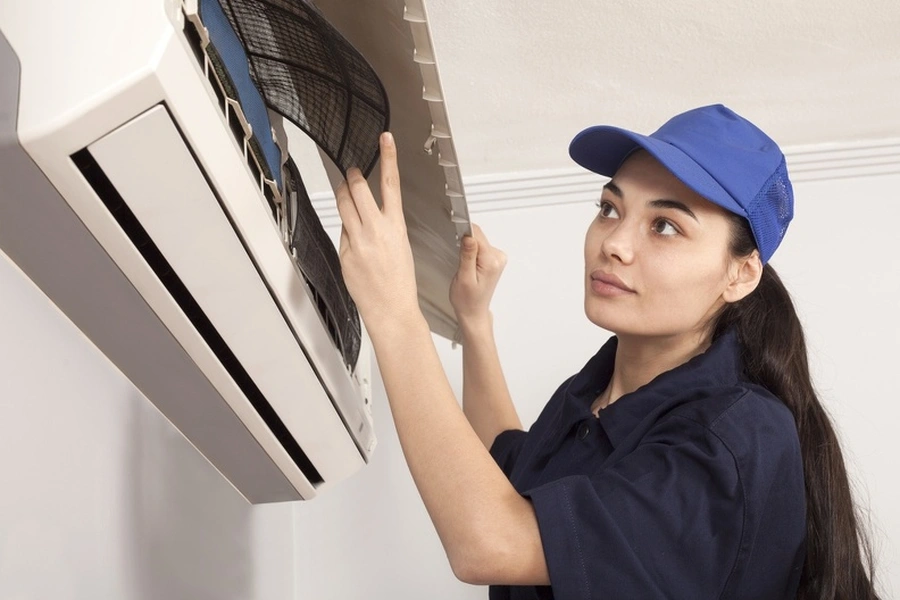
Some heating and cooling problems build slowly. Others show up all at once. A strange sound, a burnt smell, or warm air from the vents can mean the system is under stress. In many cases, your unit is warning you before it stops working fully. Fast action can help protect major parts like the compressor, fan motor, or control board. That is why sudden changes in how your system runs should never be ignored.
Common Symptoms
Many homeowners notice comfort problems first. One room may feel hot while another stays cold. The unit may run all day but never reach the thermostat setting. You may also hear banging, buzzing, screeching, or rattling sounds. Water around the indoor unit is another red flag. A strong musty smell can point to mold or drain trouble. A sharp burning smell may point to wiring or motor trouble.
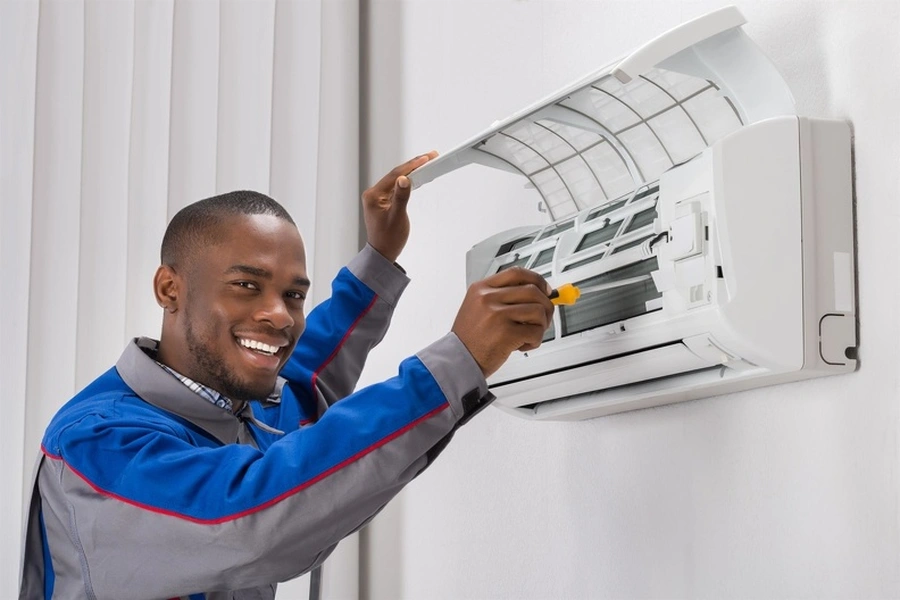
Here are some signs that often mean HVAC repair should happen soon:
- Warm air coming from supply vents during cooling season
- Cold air coming from vents during heating season
- Weak airflow from one or more vents
- System turning on and off every few minutes
- Unusual spikes in monthly utility bills
- Ice on refrigerant lines or the outdoor unit
- Water leaks near the air handler or furnace
- Grinding, squealing, buzzing, or banging noises
- Thermostat not matching the actual room temperature
Likely Causes
These symptoms can come from many sources. A dirty filter can choke airflow and cause strain. Low refrigerant can stop the system from cooling well and may lead to frozen coils. Loose parts can create rattling sounds. A failing blower motor can cause weak airflow. A clogged drain line can cause water to back up and leak indoors. Electrical issues can lead to short cycling, tripped breakers, or a unit that will not start.
Sometimes the cause is simple, but not always. A thermostat with weak batteries may send bad signals. Damaged ductwork can waste cooled or heated air before it reaches your rooms. Older systems may have worn parts that need more than a basic adjustment. If your home uses a full heating and cooling service category system with several connected parts, one small fault can affect the whole setup.
What to Check First
Before calling for HVAC repair, there are a few safe things you can check. Start with the thermostat. Make sure it is set to the right mode and temperature. If the screen is blank, check the batteries. Next, look at the air filter. If it is dirty, replace it. Check the breaker panel for a tripped switch. Go outside and make sure leaves, grass, or debris are not blocking the outdoor unit.
- Check thermostat settings and battery power.
- Inspect the air filter and replace it if dirty.
- Make sure supply and return vents are open.
- Look for ice, water, or visible dirt around the unit.
- Check the breaker if the system will not turn on.
These steps may help with minor issues, but they will not fix deeper mechanical or electrical trouble. If the same problem returns soon after, the unit needs a closer inspection.
Safe Fixes Vs Pro-Level Fixes
Some tasks are safe for a homeowner. Replacing a filter, changing thermostat batteries, and clearing light debris from around the outdoor unit are usually fine. You can also make sure furniture is not blocking indoor vents. These small steps can improve airflow and help your system run better.
Other jobs should be left to a trained technician. Refrigerant work, motor repairs, wiring issues, capacitor replacement, and frozen coil diagnosis all need proper tools and training. Trying to fix these parts without the right knowledge can make the problem worse. It can also create a safety risk. If you smell something burning, hear loud metal sounds, or see repeated breaker trips, skip do-it-yourself work and get professional help.
Prevention Tips
Many emergency calls happen after weeks of warning signs. Regular care can lower the chance of a sudden failure. Change filters on schedule. Keep outdoor equipment clear. Listen for new sounds and pay attention to uneven temperatures. If energy bills rise for no clear reason, do not brush it off. Small problems often turn into big repairs when the system keeps running under strain.
It also helps to schedule routine inspections before heavy use seasons. Spring and fall are good times to have the system checked. A technician can spot worn belts, drain clogs, refrigerant issues, and airflow restrictions before they lead to a breakdown. That simple step can help your unit last longer and keep your home more comfortable.
Final Recommendation
If you notice loud noises, odd smells, leaks, weak airflow, or short cycling, it is smart to treat those signs seriously. Fast HVAC repair can prevent more damage and help restore safe, steady comfort. Homeowners in Dawson, MN should not wait if the unit stops cooling, stops heating, or shows signs of electrical trouble. To get help, contact RAJ Home HVAC LLC or call (320) 361-9505, and we will be glad to schedule service and help protect our customers’ comfort.