Simple Checks and Smart Testing Can Help Your System Cool Better
An ac diagnostic helps find out why your cooling system is not working as well as it should. It checks parts like airflow, power, thermostat settings, and system performance. When the right problem is found early, your home can stay cooler, repairs can be more direct, and small issues may not grow into bigger ones. If your air conditioner runs often, blows warm air, or cools unevenly, a proper check is a smart next step.
Quick Diagnosis Summary
Most cooling problems come from a few common areas. The system may have a dirty filter, weak airflow, a thermostat issue, low refrigerant, or an electrical part that is not working right. An ac diagnostic is the process of testing these parts in a clear order. This helps separate a simple fix from a repair that needs trained service.
Common Symptoms
Many homeowners notice signs before the system stops fully. The unit may turn on but not cool enough. Some rooms may feel fine while others stay warm. You may hear odd sounds, notice longer run times, or see higher energy use. Water near the indoor unit can also point to a problem. These signs do not always mean a major breakdown, but they do mean the system needs attention.
- warm air coming from vents
- weak airflow in one or more rooms
- short cycling or constant running
- strange noises like buzzing or rattling
- musty smells from supply vents
- higher indoor humidity

Likely Causes
Cooling issues can start with something small and easy to miss. A clogged air filter can choke airflow and make the unit work harder. A thermostat with low batteries or bad settings can send the wrong signals. Dirty coils can block heat transfer. A blocked drain line can lead to water trouble and system shutdowns. In other cases, worn electrical parts, fan motor trouble, or low refrigerant can hurt cooling performance. Even though the service category keyword is not provided here, the problem still falls under routine cooling system care and repair work.
Some causes are tied to age and use. A system that has not been checked in a long time may build up dust and strain. A home with pets may go through filters faster. A very hot stretch of weather can also expose weak parts that were already close to failing.
What to Check First
Before assuming the worst, start with simple and safe checks. These quick steps can help you rule out easy problems. They can also give better info if you need to call for help later.
- set the thermostat to cool and lower the temperature setting.
- check the air filter and replace it if it looks dirty.
- make sure supply vents are open and not blocked by furniture.
- look at the outdoor unit and clear away leaves or debris.
- check the breaker if the system is not turning on.
- listen for odd sounds from the indoor or outdoor unit.
If these steps do not help, an ac diagnostic can narrow the issue down much faster than guessing. Random part changes often waste time and money.
Safe Fixes Vs Pro-Level Fixes
Some tasks are fine for homeowners. Replacing a filter, adjusting the thermostat, and clearing space around the outdoor unit are safe steps. Keeping vents open and checking for a tripped breaker are also simple. These can improve airflow and help the system run better.
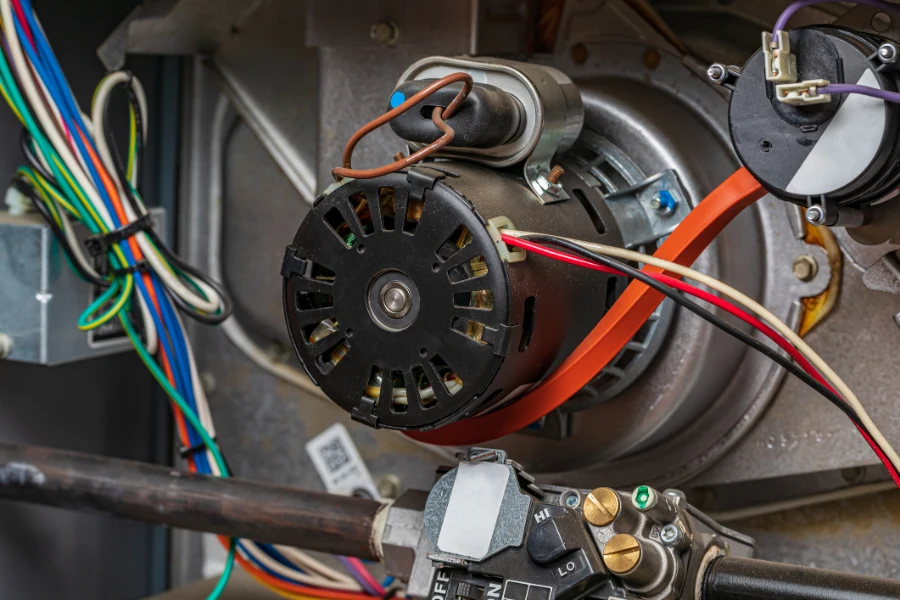
Other work should be left to a trained technician. Electrical testing, refrigerant checks, capacitor replacement, coil cleaning inside sealed areas, and deeper system readings need tools and skill. Trying these repairs without training can damage the equipment or create a safety risk. A full ac diagnostic often includes voltage checks, temperature split readings, pressure testing, and inspection of control parts. That is the kind of work best handled by a professional.
Prevention Tips
Good habits can help your system cool better for longer. Prevention usually starts with airflow and routine care. When the system can breathe and move heat the right way, it has less strain during hot weather.
- change filters on a regular schedule
- keep vents clean and open
- trim plants away from the outdoor unit
- watch for water leaks or unusual sounds
- schedule routine inspections before peak summer heat
- do not ignore small comfort changes
It also helps to pay attention to patterns. If the upstairs is always warmer, if the system runs longer each month, or if humidity starts to rise indoors, those signs matter. Early testing can catch a weak fan, dirty coil, or failing control before comfort drops more.
When to Call a Professional
Call for expert help when the system still will not cool after basic checks, when the breaker keeps tripping, when there is ice on the lines, or when strange sounds keep happening. You should also call if airflow feels weak in the whole home or if the unit cycles on and off too fast. These are signs that the problem may be deeper than a filter or thermostat setting.
A professional ac diagnostic is also helpful when buying an older home, after a major storm, or when energy bills suddenly climb with no clear reason. Testing gives a better picture of system health and helps guide the next step with less guesswork.
Get Clear Answers for Better Cooling
If your system is not cooling the way it should in Dawson, MN, we can help identify the cause and explain the next step in plain language. Contact RAJ Home HVAC LLC at (320) 361-9505 to schedule service, and we will work with you to get your cooling system back on track.